
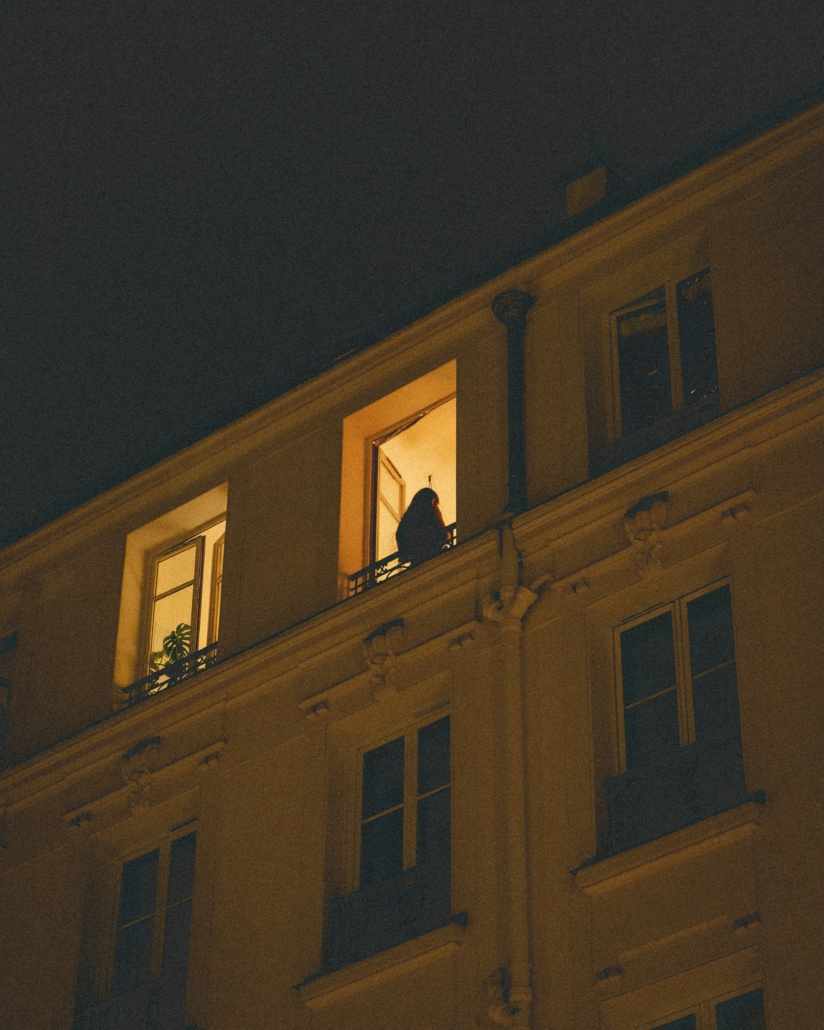
Night Surveillance: Why Your Camera Setup Matters as Much as Your Position
A lot gets written about surveillance tactics — where to park, how long to sit, how to avoid being burned. Less gets written about the equipment itself, which is a gap worth addressing. In night surveillance specifically, your camera setup can be the difference between coming back with usable footage and coming back with nothing.
Standard video cameras are not designed for low-light work. Even good cameras struggle at night without proper IR or thermal capability. In real-world surveillance scenarios — a dark parking lot, a residential street with minimal lighting, a rural property — you’re often working with very little ambient light. A camera that looks great in daylight will produce grainy, unusable footage in those conditions.
Infrared cameras — true IR, not just ‘night mode’ — illuminate a scene with light the naked eye can’t see, and the sensor picks it up. The result is a clear black-and-white image in near-total darkness. The limitation is range; most IR illuminators are effective to about 30-50 meters, which may not be sufficient depending on where you can safely position yourself.
Thermal imaging solves the range problem and is harder to defeat, but it comes at a significant cost. Thermal cameras don’t produce the kind of detail that holds up well as direct evidence — you’re seeing heat signatures, not faces. They’re most useful for detection and positioning rather than documentation.
For most surveillance work, a professional-grade IR camera with a good telephoto lens covers 90% of nighttime situations. What matters most is having equipment that was designed for surveillance use, not a consumer camera you’re hoping will work in the dark.
One other note: any footage you collect needs to be properly documented from the moment you capture it. Timestamps, GPS data, and a consistent chain of custody from camera to court aren’t optional — they’re what separates evidence from a video clip.


